Losing a loved one to COVID-19 is painful enough. Receiving a life insurance denial—or facing months of unanswered questions—can add financial uncertainty when your family needs support.
A life insurance claim can be denied after a COVID-19 death, but COVID-19 itself generally is not a valid reason to deny benefits under a standard life insurance policy. Life insurance ordinarily covers deaths caused by illness, including COVID-19. However, an insurer may raise separate issues involving the application, premium payments, effective date, or type of coverage.
For Florida beneficiaries, the central question is whether the insurer’s stated reason for withholding payment is supported by the policy, the facts, and applicable law.
Does Life Insurance Cover Death From COVID-19?
Generally, yes. Standard term life insurance and permanent life insurance policies ordinarily provide a death benefit when the insured dies from a covered illness. A COVID-19 death—or a death resulting from COVID-19 complications—generally falls within that coverage.
Still, beneficiaries should obtain the complete policy rather than rely on a general description of coverage. The policy’s effective date, benefit provisions, endorsements, and exclusions matter.
If an insurance company says a claim is excluded because the death occurred during a pandemic, ask it to identify the exact policy language supporting that position. A reference to “the pandemic” does not explain why an otherwise covered death benefit is unavailable.
Why Might an Insurance Company Deny a COVID-19 Life Insurance Claim?
A denial following a COVID-19 death may concern an issue unrelated to whether the policy covers the disease.
1. Alleged Misrepresentations on the Application
The insurer may claim that the insured provided incorrect or incomplete information about:
-
Tobacco use.
-
Heart or lung disease.
-
Diabetes or other medical conditions.
-
Prior hospitalizations or medical treatment.
-
A COVID-19 diagnosis or symptoms, if the application asked about them.
In Florida, section 627.409 permits certain misrepresentations, omissions, or incorrect statements to prevent recovery when statutory requirements are met. An insurer does not necessarily have to prove that the applicant intentionally lied. Materiality and whether the insurer would have issued the same coverage on the same terms can be significant.
However, an accusation of misrepresentation does not automatically establish a valid denial. A careful review should compare the exact application question, the insured’s answer, the relevant medical records, and the insurer’s underwriting evidence.
The timing also matters. A diagnosis made after the application does not, by itself, establish that an earlier answer was false.
2. Death During the Contestability Period
Many beneficiaries worry that a death within the first two years means the insurer does not have to pay.
The contestability period is not automatically a two-year waiting period for death benefits. It generally gives the insurer an opportunity to challenge the policy on legally permissible grounds.
Florida Statutes section 627.455 generally requires covered individual life insurance policies to become incontestable after they have been in force during the insured’s lifetime for two years from issuance, subject to specified exceptions, including nonpayment of premiums. The insured’s date of death matters; simply waiting until the policy’s second anniversary to file a claim does not establish that this requirement was satisfied.
For a death during the contestability period, beneficiaries should examine why the insurer is investigating and whether its findings actually support denial.
3. Alleged Lapse for Nonpayment of Premiums
An insurer may argue that coverage ended before the insured died because a premium was not paid.
Before accepting that explanation, review:
-
The premium payment history.
-
Automatic payment authorizations and bank records.
-
The policy’s grace period.
-
Billing and lapse notices.
-
Any available policy values or premium payment protections.
-
Communications concerning reinstatement.
For individual policies governed by Florida Statutes section 627.453, the required grace period is at least 30 days for premiums after the first, and coverage continues during that period. If death occurs during the grace period, the statute permits deduction of the unpaid premium in the settlement. A missed payment does not necessarily mean coverage had already ended.
4. The Coverage Was Accidental Death Insurance
Life insurance and accidental death insurance provide different protection.
Ordinary life insurance generally covers death from illness. Accidental death and dismemberment coverage, often called AD&D, generally requires a qualifying accident and may exclude death caused by disease.
Because COVID-19 is an illness, a death from COVID-19 generally does not qualify for accidental death benefits. An unexpected death is not necessarily an “accidental death” under an insurance contract.
If the insured had both basic life insurance and an accidental death benefit, review each separately. Denial of the additional accidental death benefit does not necessarily resolve the claim for basic life insurance.
5. A Dispute About When Coverage Began or Ended
Some disputes concern whether the insurance was effective on the date of death.
For example, the insurer may question whether an application was approved, whether required evidence of insurability was accepted, or whether employer-sponsored coverage continued during a leave of absence.
In these situations, collect the application, approval notices, policy or certificate, payroll deductions, and communications with the employer or insurance agent. Those records can help establish what coverage was requested, approved, and in force.
Can Vaccination Status Affect a COVID-19 Death Claim?
Receiving a COVID-19 vaccine does not ordinarily invalidate a life insurance policy. Likewise, being unvaccinated does not, by itself, establish a basis for denying a standard life insurance death benefit. Claims suggesting that vaccination automatically eliminates life insurance coverage are misleading.
If an insurer raises vaccination status, request its explanation in writing and the specific policy provisions on which it relies.
What if the Insurer Says an Undisclosed Condition Did Not Cause the Death?
Suppose the insured died from COVID-19, but the insurer denies benefits because of allegedly undisclosed tobacco use or an unrelated medical condition.
Beneficiaries may understandably ask: “What does that have to do with COVID-19?”
Under Florida’s misrepresentation statute, an alleged application error does not necessarily have to cause the death to affect coverage. The analysis may instead turn on whether the information was material to the insurer’s acceptance of the risk or would have changed its underwriting decision.
That makes it especially important to examine the actual question and answer, rather than assume either that the denial is valid or that an unrelated cause of death defeats it.
What Should You Do if a COVID-19 Life Insurance Claim Is Denied?
Get the Denial in Writing
Request a written explanation identifying every reason for denial and the policy provisions the insurer relies upon. Preserve the letter, envelope, emails, and attachments.
Collect the Policy and Supporting Records
Useful documents may include:
-
The complete policy, application, riders, and amendments.
-
Any employer group life insurance certificate and plan documents.
-
The death certificate and relevant medical records.
-
Premium payment records and lapse notices.
-
Beneficiary designations.
-
Claim forms and correspondence.
-
Communications with the employer, agent, or insurer.
You do not need to have every document before seeking legal advice.
Preserve All Deadlines
Review the denial letter immediately for appeal instructions and deadlines. Employer-sponsored claims may involve ERISA, the federal law governing many employee benefit plans, and require a different approach from an individually purchased policy.
Do not assume that a request for reconsideration, an ongoing investigation, or a consumer complaint extends an appeal or lawsuit deadline.
Obtain Advice Before Accepting a Premium Refund
An insurer may offer to return premiums while asserting that the policy should be rescinded. Before signing a release or accepting a proposed resolution, understand what the insurer is asking you to give up.
Frequently Asked Questions About COVID-19 Life Insurance Claims
Does COVID-19 have to be the only cause of death?
Generally, no. Ordinary life insurance does not typically require COVID-19 to be the sole cause of death. Deaths involving COVID-19 complications generally remain subject to the policy’s ordinary coverage terms.
Can an insurer deny benefits just because the policy was less than two years old?
The policy’s age alone does not establish a valid denial. Death during the contestability period may trigger investigation, but the insurer still needs a legally supportable basis to withhold benefits.
What if my loved one had life insurance through work?
Obtain the group policy or certificate, plan documents, enrollment records, and coverage approval notices. Employer-sponsored coverage can involve eligibility and appeal requirements that differ from individual life insurance.
Can I challenge a denied claim?
Potentially. The available options depend on the policy, the denial reason, the evidence, and applicable deadlines. A denial letter is the insurer’s position; it does not necessarily determine your legal rights.
Speak With a Florida Life Insurance Claims Attorney
If your family’s life insurance claim was denied or delayed after a COVID-19 death, a focused review can help determine whether the insurer’s position is supported—and what steps are available to challenge it.
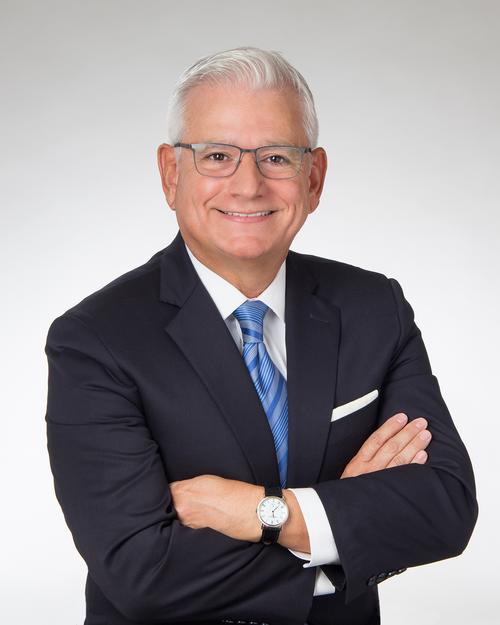
J.P. Gonzalez-Sirgo, P.A. represents life insurance beneficiaries in disputes involving denied, delayed, and contested claims, including high-value policies. With more than 30 years of legal experience, attorney J.P. Gonzalez-Sirgo can evaluate the policy, the insurer’s explanation, and the evidence affecting your claim.
To discuss your denied or delayed life insurance claim, contact J.P. Gonzalez-Sirgo, P.A.
Have you or someone you know been denied a life insurance claim? Contact Florida Life Insurance Claims Lawyer J.P. Gonzalez-Sirgo by dialing his direct number at (786) 272-5841, calling the main office at (305) 461-1095, or Toll Free at 1 (866) 71-CLAIM or email Miami Attorney Gonzalez-Sirgo directly at jp@yourattorneys.com or by text at (305) 929-8935.
This article is for informational purposes only and does not constitute legal advice.